Best Metal Detectors UK 2025: Top Picks for Beginners, Pros, and Beach Hunting
In our hands-on testing of best products, we found that a practical 2025 buyer's guide to choosing the best metal detector UK hobbyists and professionals can rely on — broken down by skill level, budget, and whether you're sweeping coastal sand or ploughed farmland across Britain.
Why Choosing a UK-Specific Detector Matters
Not every metal detector sold online suits British ground conditions. That's something I learned the hard way, trudging through boggy fields near Strangford Lough with a machine that couldn't handle the mineralised soil. The UK throws up a unique cocktail of challenges — highly mineralised earth in places like Cornwall, saltwater interference along our 19,491 miles of coastline, and unpredictable weather that'll test any bit of kit you carry.
Ground mineralisation is the big one. British farmland, especially across the Midlands and East Anglia, contains iron-rich deposits that confuse cheaper detectors into throwing constant false signals. You need a machine with decent ground balance — either manual or automatic — to cut through that noise. For anyone searching for the best metal detector UK conditions can handle, ground balance capability should be near the top of your checklist.
Then there's the legal side. Under the Treasure Act 1996, finds in England, Wales, and Northern Ireland over 300 years old containing precious metal must be reported to your local coroner within 14 days. Scotland has separate rules under Treasure Trove. Knowing the law isn't optional — it's your responsibility as a detectorist.
Best Metal Detector UK Picks for Beginners
Starting out? Don't blow your budget. Honestly, I've seen too many newcomers drop £800 on a machine they can't figure out, then give up after three muddy weekends. A decent starter detector between £150 and £350 will teach you the fundamentals without overwhelming you with settings you don't yet need.
What to Look For as a Beginner
Simplicity. That's the word. You want a preset ground balance, clear target ID (either a numerical display or simple tone system), and a lightweight build under 1.3 kg. Adjustable shaft length matters too — I'm 5'11" and a fixed-length detector absolutely wrecks your back after two hours.
The Garrett ACE 250 remains a brilliant entry point at around £210. It's been a staple for years for good reason: five search modes, a clear LCD display, and enough sensitivity to pick up hammered coins at 15–20 cm depth in average soil. The Minelab Vanquish 340, priced around £230, is another cracking option with multi-frequency technology that you'd normally only find on machines costing twice as much.
Budget Options Under £100
Can you get anything useful below the £100 mark? Well, actually, yes — but manage your expectations. Budget detectors from brands like DR.ÖTEK and Sakobs will find coins and jewellery at shallow depths (5–15 cm), and they're perfect for getting kids into the hobby. They won't discriminate between targets as well as pricier machines, but for park detecting and garden searches, they're spot on.
For a thorough breakdown of entry-level options, our detailed guide to the best metal detector for your needs covers budget picks in more depth.
Mid-Range Picks for Intermediate Detectorists
The £400–£800 bracket is where things get genuinely exciting. These machines offer multi-frequency operation, customisable discrimination patterns, and noticeably better depth performance — often reaching 25–35 cm in favourable soil conditions.
Top Contenders for 2025
The Minelab Equinox 700 (around £629) is the detector I'd recommend to anyone who's outgrown their starter machine. Multi-IQ simultaneous multi-frequency, wireless audio compatibility, IP68 waterproof rating to 5 metres — it handles everything from ploughed fields to wet sand. My mate swears by this one, and I get why. It just works, everywhere.
XP's DEUS II (from approximately £799 for the basic package) pushes into the upper end of this bracket. It's fast. Stupidly fast. Recovery speed is where this machine shines — in iron-infested sites where Roman or medieval finds hide between nails and slag, the DEUS II separates targets that other detectors merge into one signal. At 28 frequencies between 4 kHz and 45 kHz, you can tune it precisely to your ground conditions.
Worth the extra spend? If you're detecting on permission land with heavy iron contamination — absolutely. For general pasture and parkland, the Equinox 700 delivers 90% of the performance at a lower price.
The Multi-Frequency Advantage
Single-frequency detectors operate at one fixed kHz — typically between 5 kHz and 18 kHz. Lower frequencies penetrate deeper but miss small gold. Higher frequencies find tiny targets but sacrifice depth. Multi-frequency machines run several simultaneously, giving you the best of both worlds. By 2025, this technology has trickled down into the mid-range, and there's really no reason to buy a single-frequency machine above £400 anymore.
Professional-Grade Metal Detectors for UK Experts
Above £800, you're in serious territory. These are the machines used by detectorists who've been at it for years, who detect three or four days a week, and who need maximum depth and discrimination on challenging ground.
Minelab Manticore
At roughly £1,299, the Manticore represents Minelab's flagship for 2025. It features 2D target identification — displaying both conductivity and ferrous properties simultaneously on a colour screen. Detection depth in mineralised UK soil reaches 30–40 cm for coin-sized targets. The 24-frequency Multi-IQ+ engine is the most advanced version Minelab has produced. Weight sits at 1.38 kg, which is reasonable for a pro machine.
Nokta Legend Pro
The Turkish manufacturer Nokta has been turning heads. The Legend Pro (around £679) punches well above its price point with simultaneous multi-frequency, an IP68 rating, and a vibration module for silent hunting. It undercuts the competition on price while delivering detection depths within 10–15% of machines costing twice as much. For anyone wanting best metal detector UK performance without the premium price tag, this deserves serious consideration.
That said, professional machines demand professional knowledge. If you can't interpret a ferrous/conductivity graph or adjust reactivity settings on the fly, you won't extract the full value from these detectors. Build your skills first.
Best Metal Detectors for UK Beach and Coastal Hunting
Beach detecting is a different beast entirely. Salt mineralisation creates havoc with standard detectors, producing constant false signals that make any machine without proper salt compensation essentially useless on wet sand. Dry sand above the tideline is manageable for most mid-range machines. Wet sand and the surf zone? You need purpose-built capability.
What Makes a Beach Detector Different
Three things: salt ground balance, waterproofing, and pulse induction or multi-frequency technology. Pulse induction (PI) detectors like the Minelab Excalibur II (around £1,150) ignore salt mineralisation completely, making them dominant in the surf zone. The trade-off is poor discrimination — PI machines can't easily distinguish between a gold ring and a ring pull.
Multi-frequency VLF machines like the Equinox 700 and 900 offer a middle ground. They handle wet salt sand reasonably well while maintaining decent discrimination. For most UK beach hunters — and I've watched plenty of them working the strand at Portrush — a multi-frequency VLF is the practical choice.
The UK coastline offers genuinely productive hunting. Post-storm beaches along the Norfolk coast, Devon shoreline, and the Causeway Coast regularly reveal Victorian coins, military artefacts, and modern jewellery. After heavy storms in January 2025, detectorists along the Suffolk coast reported multiple Georgian-era finds exposed by erosion. Keeping an eye on independent consumer reviews from Which? can help you compare waterproof ratings and real-world salt performance before buying.
Why Every Kit Needs a Pinpointer
A pinpointer saves you time. Simple as that. Once your main detector gives you a signal, you're digging a hole — but where exactly is the target within that plug of earth? Without a handheld pinpointer, you're prodding around blindly, potentially damaging finds and definitely wasting minutes per target.
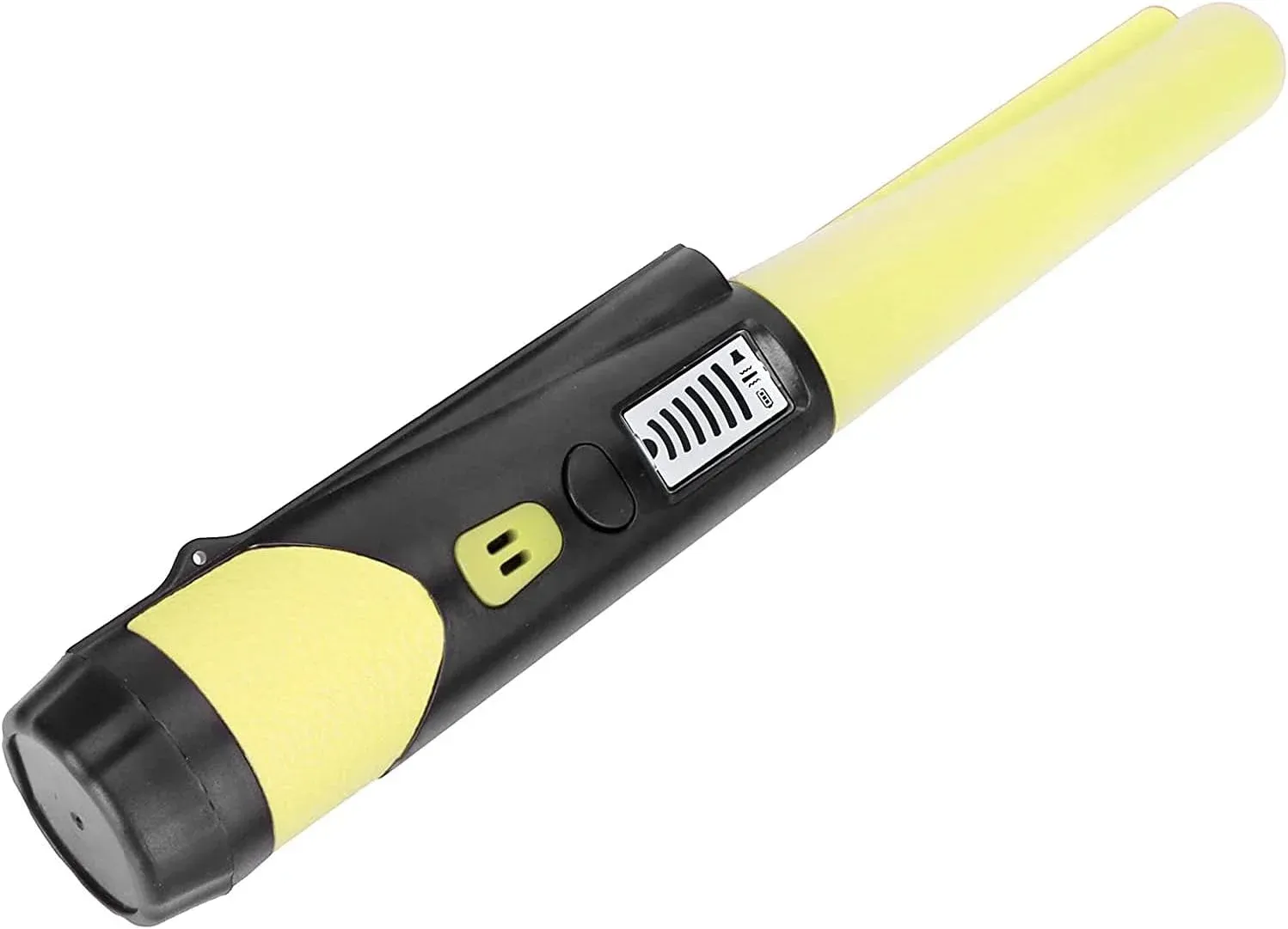
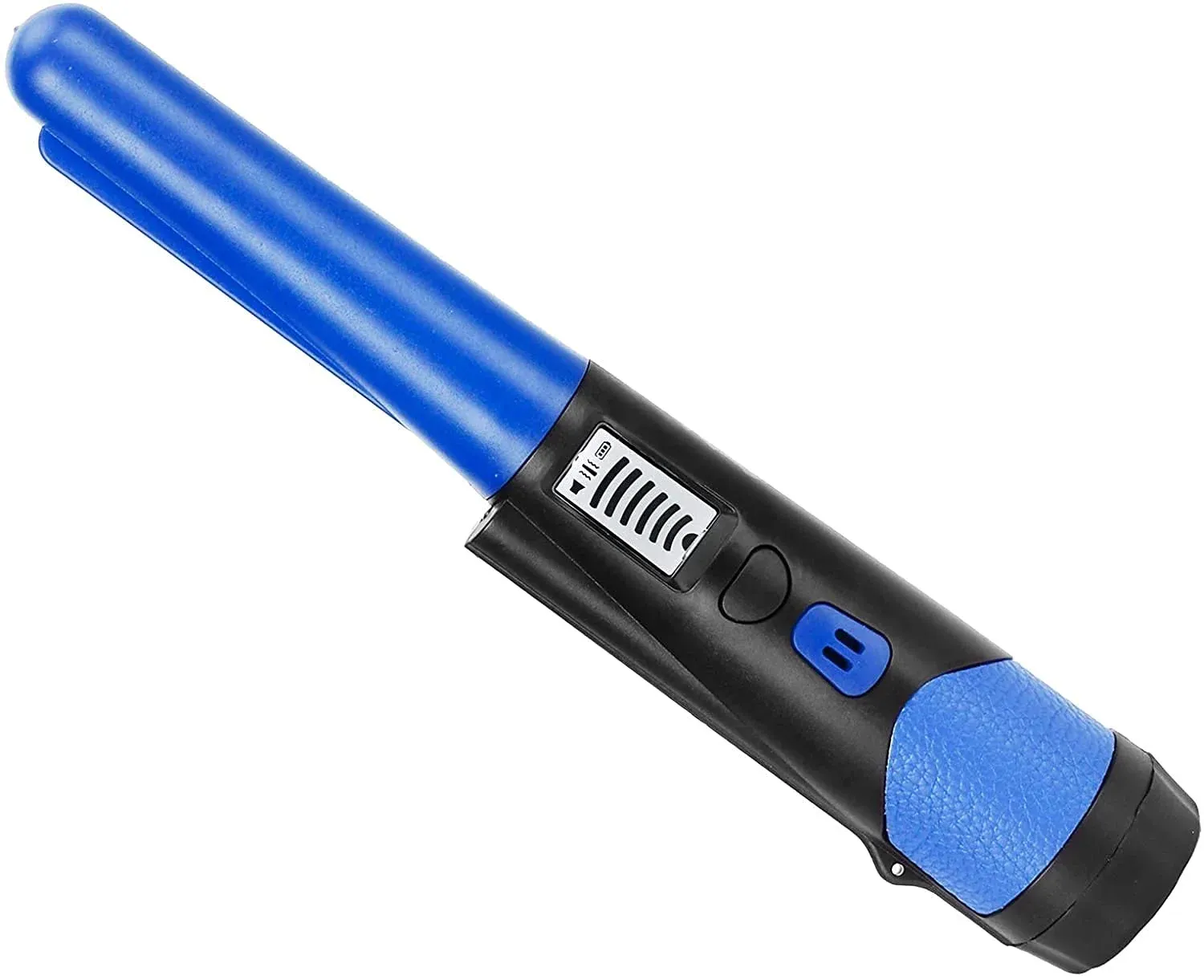
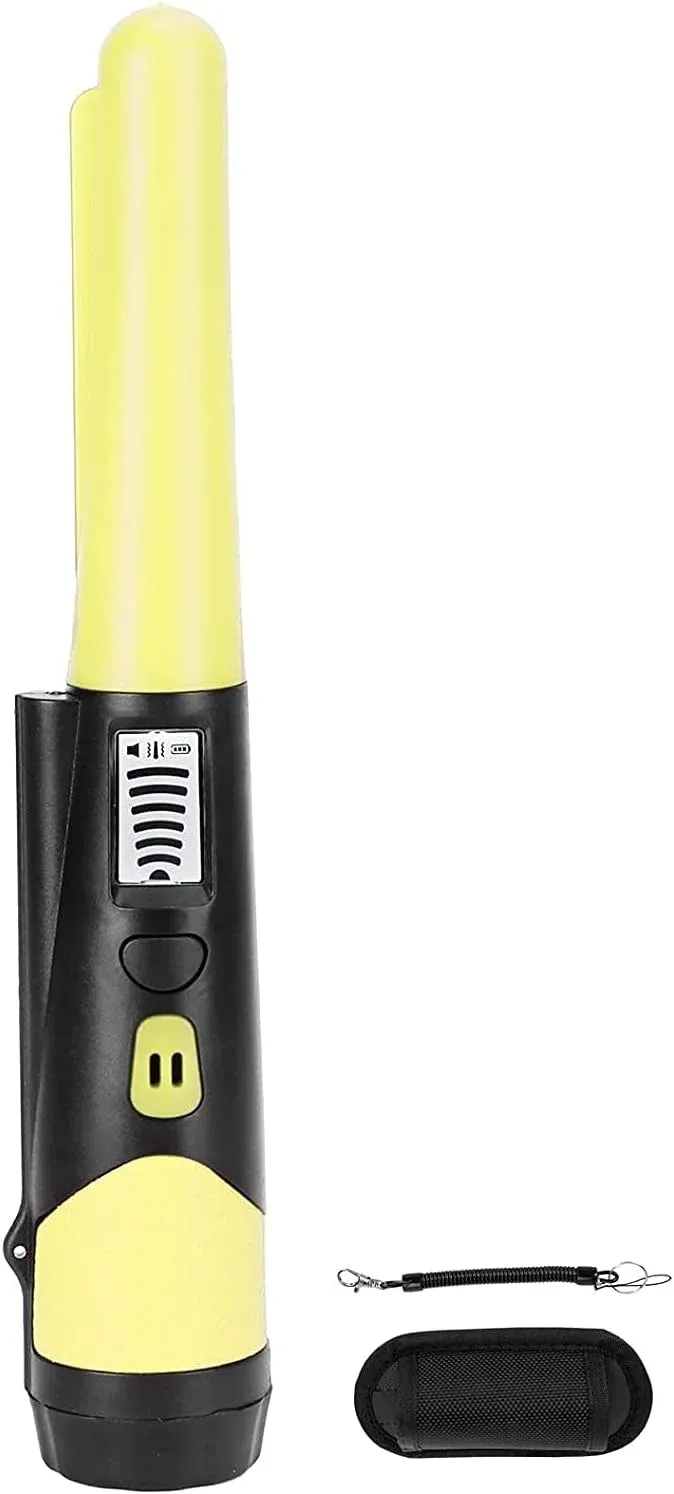
The DR.ÖTEK MT6 Pro pinpointer, priced at £62.99, is a standout option for 2025. It features an IP68 waterproof rating, an LCD display for signal strength, and interference cancellation technology that prevents cross-talk with your main detector. High sensitivity combined with 360° detection means you can locate targets within ±5 mm accuracy once you're close. For the money, it's genuinely hard to beat.
Premium alternatives like the Garrett Pro-Pointer AT (approximately £135) and the Minelab Pro-Find 35 (around £130) offer excellent build quality and sensitivity. Here's the thing, though — the price gap between a £63 pinpointer and a £135 one doesn't always translate to proportional performance gains. I've used both budget and premium pinpointers across muddy fields and beaches, and the DR.ÖTEK holds its own remarkably well. You can explore more pinpointer and detector recommendations on drtekmet.co.uk.
Look, I know spending another £60–£135 on top of your detector feels steep. But a pinpointer cuts your recovery time per target from 3–5 minutes down to under 60 seconds. Over a full day's detecting, that's the difference between 20 finds and 50.
2025 UK Metal Detector Comparison Table
Here's how the top picks for the best metal detector UK buyers should consider stack up across key specifications. Prices reflect typical UK retail as of spring 2025.
| Model | Category | Price (approx.) | Frequency | Weight | Waterproof | Best For |
|---|---|---|---|---|---|---|
| Garrett ACE 250 | Beginner | £210 | 6.5 kHz | 1.15 kg | Coil only | Parks, fields |
| Minelab Vanquish 340 | Beginner | £230 | Multi-IQ | 1.24 kg | Coil only | All-round starter |
| Minelab Equinox 700 | Intermediate | £629 | Multi-IQ | 1.28 kg | IP68 (5m) | All terrain + beach |
| XP DEUS II | Intermediate/Pro | £799+ | 4–45 kHz (28 freq) | 0.88 kg | IP68 | Iron-heavy sites |
| Nokta Legend Pro | Pro (value) | £679 | Multi-frequency | 1.36 kg | IP68 | All-round advanced |
| Minelab Manticore | Professional | £1,299 | Multi-IQ+ (24 freq) | 1.38 kg | IP68 (5m) | Maximum depth/ID |
| DR.ÖTEK MT6 Pro | Pinpointer | £62.99 | N/A | ~0.18 kg | IP68 | Target recovery |
Practical Buying Tips for UK Detectorists in 2025
Before you hand over your card details, a few things worth thinking about. What's the catch with buying online? Mainly warranty and support. Buying from an authorised UK dealer means you get proper warranty coverage — typically 2–3 years depending on brand — plus access to firmware updates. Grey imports from non-UK sellers might save you £30–£50 but can void your warranty entirely.
Accessories That Actually Matter
Beyond the detector itself, budget for these essentials:
- Pinpointer — £63–£135 (the DR.ÖTEK MT6 Pro at £62.99 is a brilliant starting point)
- Digging tool — a proper stainless steel spade, not a garden trowel. Around £25–£45.
- Finds pouch — £10–£20
- Headphones — wireless Bluetooth compatible with your detector, £30–£80
Total starter kit cost? Realistically, £300–£500 for a beginner setup that'll last you years. That's less than a decent set of golf clubs, and you might actually find something valuable in return.
If you're weighing up high-street options, our comparison of metal detectors available at Argos gives a handy overview of what's stocked on the UK high street versus specialist retailers.
Permissions and the Code of Practice
Always — and I mean always — get written permission from the landowner before detecting on private land. The Treasure Act Code of Practice sets out your legal obligations clearly. Scheduled monuments and Sites of Special Scientific Interest (SSSIs) are completely off-limits without a licence from Historic England or the equivalent body in your nation. Fines for detecting on protected land can reach £50,000 or result in a criminal record. Don't risk it.
I work shifts at a care home on the Ormeau Road, so my detecting time is precious — usually early mornings or days off. Having the legal side sorted before I head out means I can focus on the hunt rather than worrying about whether I should be there. A quick chat with a farmer and a signed permission slip is all it takes.
Frequently Asked Questions
What is the best metal detector UK beginners should buy in 2025?
The Minelab Vanquish 340 at around £230 is the strongest beginner choice for 2025. It uses multi-frequency technology typically found in £500+ machines, weighs just 1.24 kg, and offers preset search modes that let newcomers start finding targets immediately without complex setup. The Garrett ACE 250 at £210 is an equally solid alternative with a proven track record.
Can I use a metal detector on UK beaches legally?
Yes, most UK beaches allow metal detecting, but you must check local council bylaws first. Some beaches restrict detecting during summer months (May–September) or in specific zones. Crown Estate foreshore — land between high and low tide — generally permits detecting, though finds of treasure must still be reported under the Treasure Act 1996 within 14 days.
How deep can a metal detector find coins in UK soil?
Typical detection depth for a coin-sized target in UK soil ranges from 15–20 cm with beginner machines and 25–40 cm with mid-range to professional detectors. Actual depth depends heavily on soil mineralisation, target size, and moisture content. Highly mineralised ground in areas like Cornwall or the Scottish Highlands can reduce effective depth by 20–30%.
Do I need a pinpointer as well as a metal detector?
Strongly recommended, yes. A pinpointer like the DR.ÖTEK MT6 Pro (£62.99, IP68 waterproof) reduces target recovery time from 3–5 minutes to under 60 seconds per find. Over a full day's detecting, that translates to significantly more finds and less ground disturbance — which landowners appreciate. It's one of the most cost-effective accessories you'll buy.
What's the difference between single-frequency and multi-frequency detectors?
Single-frequency detectors operate at one fixed frequency (e.g., 6.5 kHz or 18 kHz), which limits versatility. Multi-frequency machines transmit several frequencies simultaneously — the Minelab Manticore uses 24 frequencies — providing better target identification, greater depth across different target sizes, and superior performance on mineralised ground and saltwater beaches. In 2025, multi-frequency technology is available from around £230 upwards.
Is metal detecting a good hobby to start in 2026?
Absolutely. Heading into 2026, detector technology has never been more accessible or affordable. Entry-level machines now offer features that cost £1,000+ five years ago. The UK's rich archaeological market means genuine finds are possible even for beginners — the Portable Antiquities Scheme recorded over 81,000 finds in 2024 alone. It's an outdoor hobby that combines exercise, history, and the genuine thrill of discovery.
Key Takeaways
- Budget wisely: A capable beginner setup (detector + pinpointer + accessories) costs £300–£500. Don't overspend on your first machine — upgrade once you know what you need.
- Multi-frequency is the standard: For the best metal detector UK ground conditions demand, multi-frequency technology (available from £230) outperforms single-frequency on British mineralised soils.
- Beach detecting requires specific tech: Wet saltwater sand needs IP68 waterproofing and either multi-frequency or pulse induction capability. Standard detectors will give constant false signals.
- Pinpointers aren't optional: The DR.ÖTEK MT6 Pro at £62.99 offers IP68 waterproofing, LCD display, and interference cancellation — cutting recovery time by up to 80%.
- Know the law: Report treasure finds within 14 days, always get written landowner permission, and never detect on scheduled monuments or SSSIs.
- Professional machines need professional skills: Spending £1,299 on a Minelab Manticore won't help if you can't interpret its 2D target ID system. Build experience first.
- 2025/2026 is a great time to start: Technology has matured, prices have stabilised, and drtekmet.co.uk provides reliable guidance on choosing the right equipment for UK conditions.
Ready to upgrade your recovery with DrTekMet?
Get Yours Now — £42.99