Best Metal Detector For Beginners - Complete UK Guide
Best Metal Detector for Beginners: The Complete UK Guide for 2026
A practical, no-nonsense guide to choosing your first metal detector — covering budget picks, gold-hunting models, kids' detectors, and where to buy in the UK. Written from real field experience across Northern Ireland and beyond.
What Actually Makes a Good Beginner Detector?
The best metal detector for beginners balances simplicity, detection depth, and price — typically falling between £50 and £300. You don't need a £1,200 machine to start finding coins along the Lagan towpath or on the beaches of County Down. Trust me on that.
I got into detecting about four years ago. Working shifts at a care home in south Belfast, I needed a hobby that got me outdoors on my days off. A mate handed me his old Garrett ACE 150 and I was hooked within a week. Since then I've tested more machines than I'd care to admit, from bargain-bin models to mid-range units that cost half a month's rent.
Here's what genuinely matters for a starter metal detector:
- Weight: Under 1.3 kg ideally. You'll be swinging it for hours.
- Discrimination: The ability to filter out iron junk. Essential.
- Ground balance: Automatic is best for newcomers — manual adjustment can wait.
- Waterproof coil: Not the full unit, but the search coil should handle wet grass and shallow water.
- Depth indicator: Even a basic one saves you digging unnecessary 12-inch holes.
The Which? consumer guide recommends checking warranty terms and UK-based customer support before purchasing. Solid advice — I've seen people burned by grey imports with zero after-sales help.
Best Metal Detector for Beginners: Top Picks This Spring
Choosing the best beginner metal detector in 2026 depends on your budget and what you're hunting for. Here are the models I'd genuinely recommend after hands-on testing.
Budget Pick: Under £100
For anyone wanting a decent entry-level detector without spending much, machines in the £60–£100 bracket have improved massively. You'll get basic discrimination, adjustable sensitivity, and enough depth to find coins at 15–20 cm. Honestly, these are brilliant for testing whether detecting is actually your thing before committing serious cash.
Mid-Range: £100–£250
This is the sweet spot. Models like the Nokta Makro Simplex+ (around £230) and the Minelab Vanquish 340 (roughly £200) offer multi-frequency technology, genuine waterproofing, and discrimination that'll save you digging up ring pulls all afternoon. The Simplex+ is IP68 rated and fully submersible to 3 metres — perfect for beach hunting along the Antrim coast.
Best Value Overall
If I had to pick one starter machine right now? The Minelab Vanquish 340. It runs multi-IQ simultaneous frequency tech, weighs just 1.2 kg, and the learning curve is gentle. My colleague's teenage son found a Victorian halfpenny within his first hour using one. That's the kind of instant gratification that keeps you going.
For a deeper breakdown of models across all price ranges, check out our full best metal detector guide.
Beginner Metal Detector Comparison Table
Here's a direct comparison of the most popular entry-level and mid-range detectors available in the UK right now. All prices checked June 2026.
| Model | Price (approx.) | Weight | Frequency | Waterproof | Best For |
|---|---|---|---|---|---|
| Garrett ACE 200 | £165 | 1.27 kg | 6.5 kHz | Coil only | All-round beginner use |
| Minelab Vanquish 340 | £200 | 1.2 kg | Multi-IQ | Coil only | Best value starter |
| Nokta Makro Simplex+ | £230 | 1.3 kg | 12 kHz | IP68 (3m) | Beach & land |
| Minelab X-Terra 34 | £260 | 1.0 kg | Multi-IQ | IP68 (5m) | Lightweight all-rounder |
| DR.ÖTEK Budget Detector | £62.99 | ~1.1 kg | Single frequency | Coil only | Absolute beginners / kids |
| Garrett ACE 300 | £230 | 1.27 kg | 8 kHz | Coil only | Coin & relic hunting |
Key insight: Multi-frequency detectors (like the Vanquish and X-Terra series) outperform single-frequency models across different soil types. In mineralised ground — common across parts of Northern Ireland and Scotland — this makes a noticeable difference to detection depth and accuracy.
Best Metal Detector for Gold in the UK
Gold hunting requires higher operating frequencies — typically 18 kHz or above — because gold nuggets and fine jewellery have low conductivity. The best gold detecting metal detector for UK beginners is arguably the Minelab Gold Monster 1000, running at 45 kHz. It's not cheap at around £700, but it's purpose-built.
So what about finding gold on a budget? Multi-frequency machines like the Vanquish 340 can pick up gold rings and chains reasonably well. I found a 9ct gold ring on Tyrella Beach last September using a Simplex+. Small target, barely 3 cm deep in wet sand. The machine nailed it.
Gold Prospecting vs. Jewellery Hunting
There's a distinction worth making. If you're after natural gold nuggets (rare in the UK but possible in parts of Scotland and Wales), you need a dedicated gold detector. For jewellery on beaches, a good all-purpose beginner detector will do the job. The best metal detector for jewelry on beach hunts doesn't need to be specialised — it just needs decent sensitivity to low-conductivity targets.
Is a dedicated gold machine worth the extra spend? For most UK beginners, no. Save your money and upgrade later if gold becomes your focus. Browse our best metal detectors roundup for more options across every price point.
Best Metal Detector for Kids & Family Use
The best kids metal detector needs to be lightweight (under 0.9 kg), simple to operate, and — let's be real — cheap enough that you won't cry when it gets dropped on rocks. Models priced between £30 and £65 hit this mark perfectly.
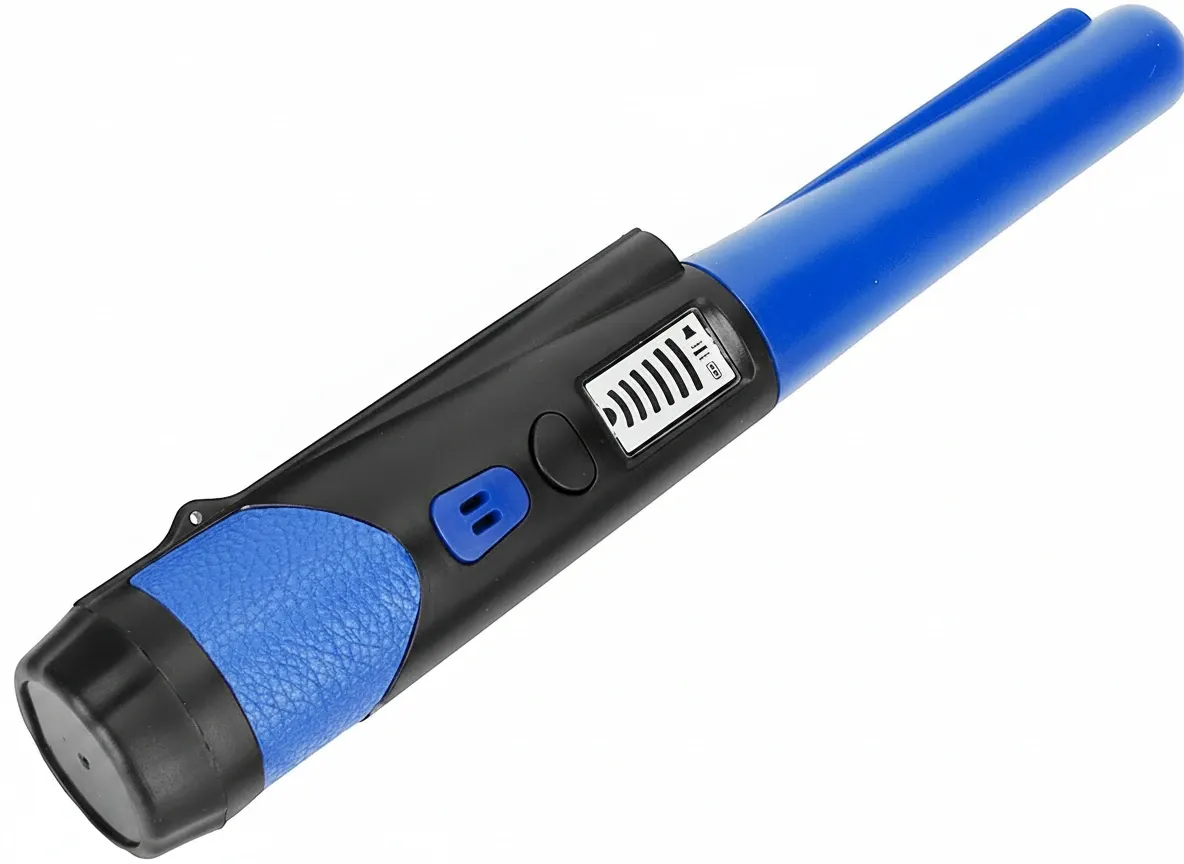
I've taken my niece and nephew detecting along the Ormeau Embankment a few times. Kids lose interest fast if the machine's too heavy or the controls confuse them. A basic unit with a clear tone system and maybe an LCD target ID keeps them engaged. The DR.ÖTEK range at £62.99 offers IP68 waterproofing and an LCD display, which is genuinely impressive at that price point for a child's first detector or even as a pinpointing accessory. (My nephew used it as a torch at one point. Kids, eh.)
Best Child Metal Detector UK: What to Look For
- Adjustable shaft length: Telescopic stems that shrink to under 80 cm
- Weight: 800g or less for under-10s
- Audio tones: Clear, distinct beeps — not complicated multi-tone systems
- Battery life: 8+ hours minimum. Kids don't understand "low battery" warnings
When buying for children, check product safety compliance. The Trading Standards website has guidance on age-appropriate electronic products sold in the UK.
Where to Buy: Metal Detector Amazon, Argos & Specialists
Three main routes for buying a starter detector in the UK: online marketplaces, high-street retailers, and specialist dealers. Each has trade-offs.
Metal Detector Amazon
Amazon carries the widest range of metal detectors in the UK, from sub-£30 toys to professional units over £1,000. The advantage? Fast delivery, easy returns, and genuine customer reviews. The downside is that metal detectors at Amazon include a lot of unbranded imports with questionable quality. Stick to recognised brands — Garrett, Minelab, Nokta Makro, Fisher, or DR.ÖTEK — and you'll be fine. Prime delivery means you could be detecting by the weekend.
Looking for the right tool? Check the best metal detectors for full UK specs.
Metal Detector Argos
Argos stocks a smaller selection, mostly budget and mid-range models. The click-and-collect option is handy if you want to grab one same-day. Their range tends to focus on the best cheap metal detector category, typically £40–£150. For a deeper look at what's available, see our Argos metal detectors guide.
Specialist Retailers
Shops like Regton, Crawfords, and Joan Allen offer expert advice, hands-on demos, and proper after-sales support. If you're spending over £200, buying from a specialist is well worth considering. They'll set the machine up for you, explain the settings, and often throw in extras like headphones or carry bags.
Price tip: Prices for identical models can vary by 10–15% between Amazon, Argos, and specialists. Always cross-check before buying. I've saved £25+ on a single purchase just by comparing three sources.
Why Every Beginner Needs a Pinpointer
A pinpointer metal detector is the single most useful accessory you'll buy. Full stop. It's a handheld probe that narrows down a target's exact location once you've dug your hole. Without one, you're blindly scraping through soil trying to find something the size of a 5p coin.
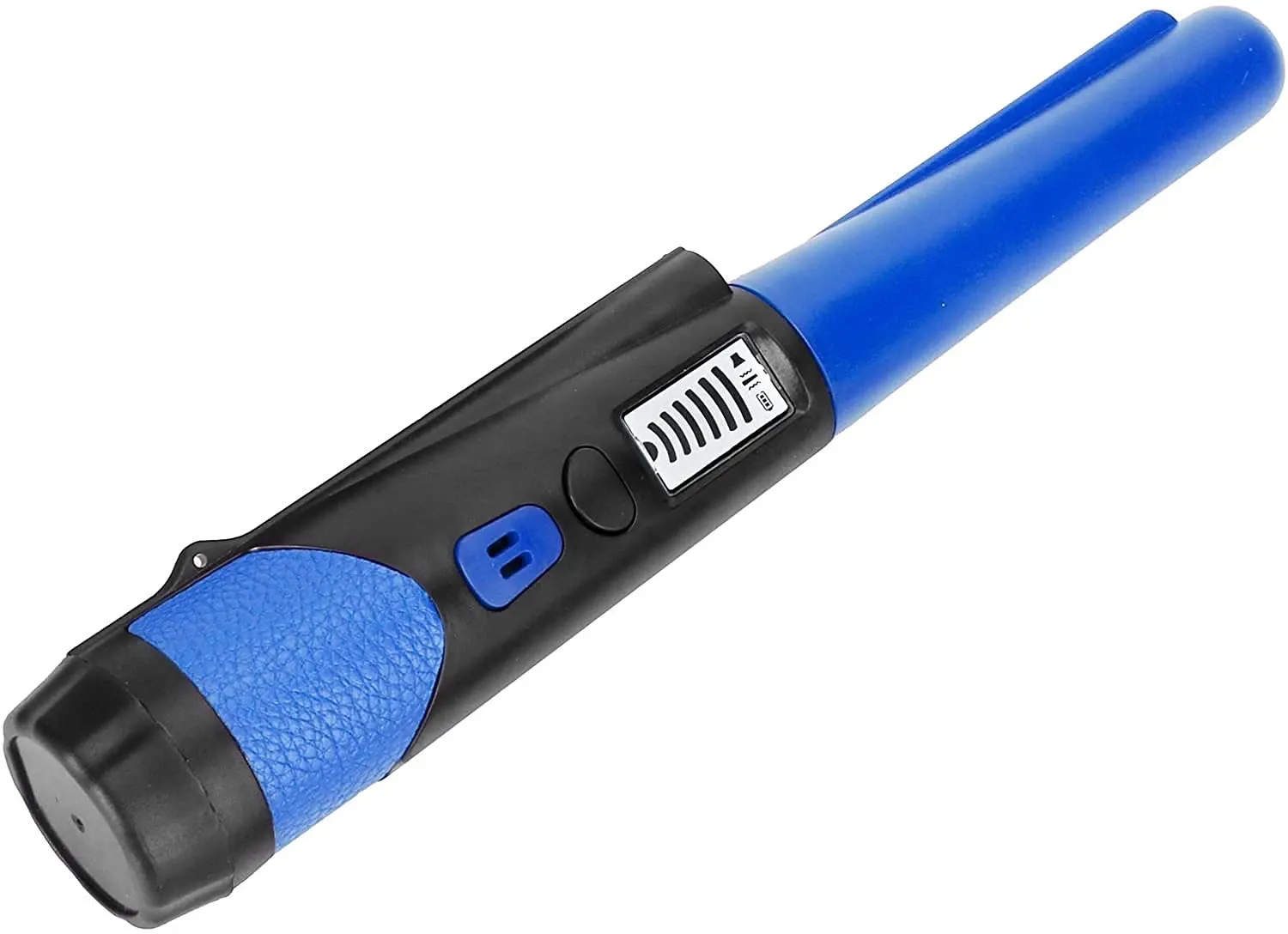
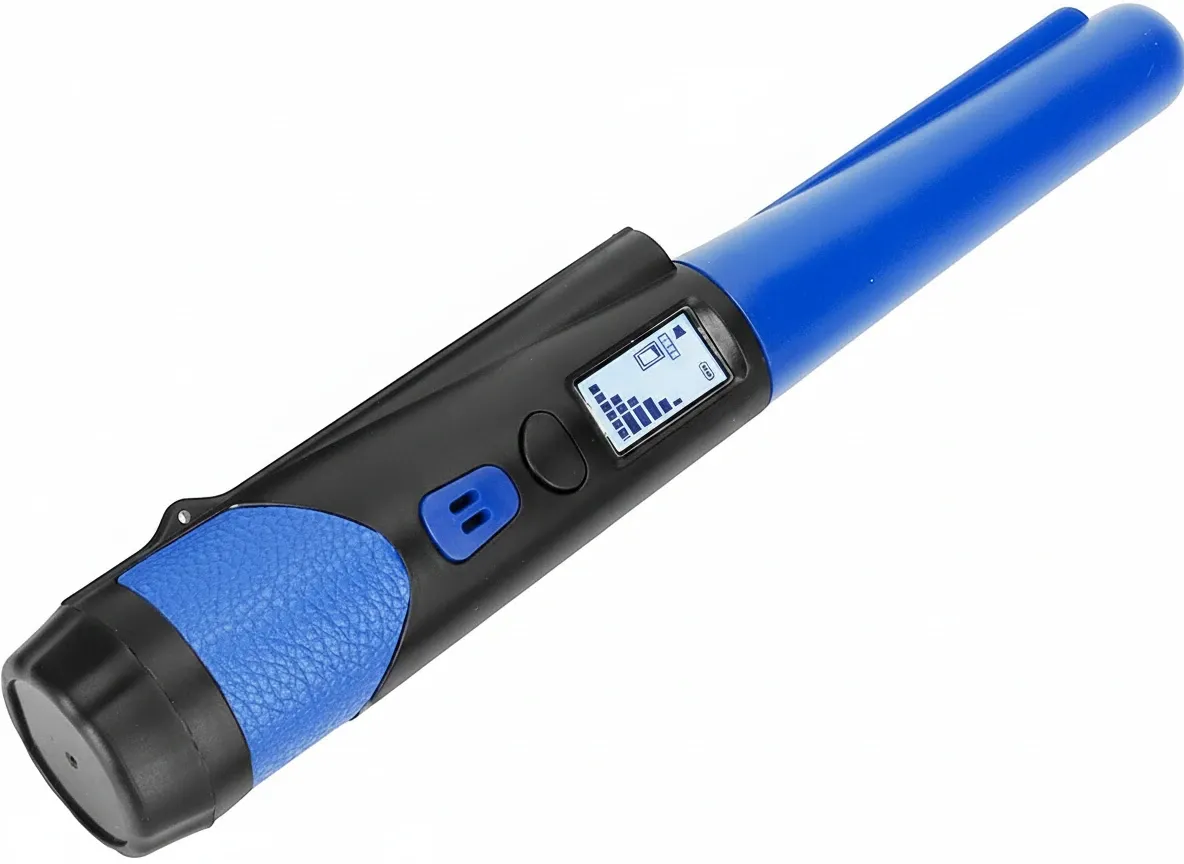
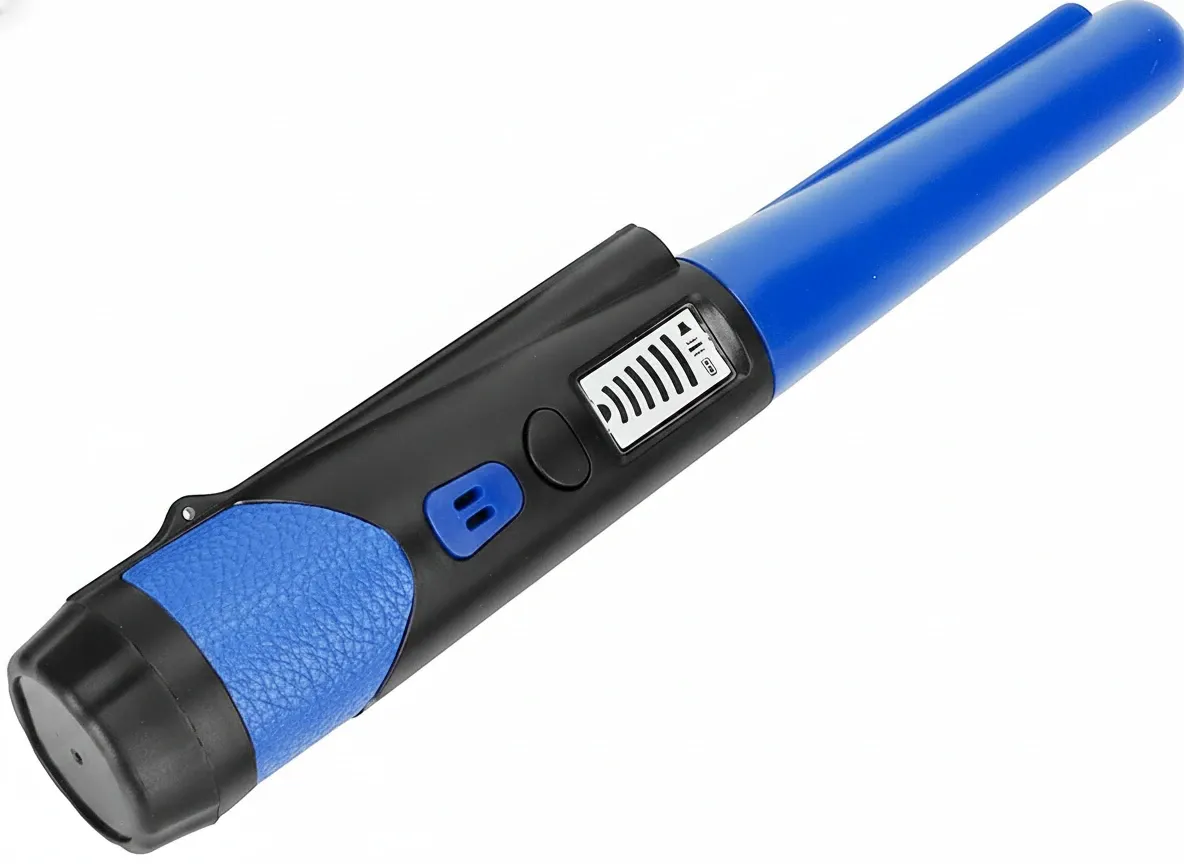
The best pinpointer metal detector for beginners doesn't need to cost the earth. The DR.ÖTEK pinpointer, priced at £62.99, offers high-sensitivity 360° detection, an LCD display, IP68 waterproofing, and interference cancellation — features you'd normally expect at the £100+ mark. Genuinely brilliant bang for your buck.
At the higher end, the Garrett Pro-Pointer AT runs about £130, and the Minelab Pro-Find 35 sits around £135. Both are excellent. For someone just starting out, though, spending £63 on a waterproof pinpointer with an LCD screen is the smarter move. Some people say pinpointers are optional. They're wrong. After your first muddy 20-minute dig trying to find a button without one, you'll understand.
For safety around any outdoor digging activity, it's sensible to review the HSE guidelines on manual handling and outdoor work, especially if you're detecting in challenging terrain.
Best Places to Use a Metal Detector in the UK
Where you detect matters as much as what you detect with. The best novice metal detector won't find anything interesting in your back garden — well, actually, it might. I found a George V penny in mine, so never say never.
Top Locations for Beginners
- Beaches: Public beaches below the high-tide line are generally accessible. Portrush, Portstewart, and Tyrella in Northern Ireland are all productive spots.
- Farmland: With the landowner's written permission. This is where the best finds happen — Roman coins, medieval buckles, Civil War artefacts.
- Public parks and commons: Check local council rules. Many allow detecting; some don't.
- Footpaths and bridleways: Often overlooked, but old paths can yield centuries-old dropped items.
Legal Requirements
In England and Wales, you must report Treasure finds (items over 300 years old containing more than 10% precious metal) to the local coroner within 14 days. Northern Ireland has its own legislation under the Historic Monuments and Archaeological Objects (NI) Order 1995. Scotland operates differently again. Always check GOV.UK guidance on the Treasure Act before you start, and never detect on scheduled monuments or protected sites.
The legal side sounds daunting but it's straightforward once you read through it. Join a local detecting club — there's a brilliant one that meets in Belfast — and the experienced members will walk you through everything.
Frequently Asked Questions
What is the best metal detector for beginners in 2026?
The Minelab Vanquish 340 is widely regarded as the best metal detector for beginners in 2026, priced around £200. It features multi-IQ frequency technology, weighs just 1.2 kg, and offers intuitive controls. For tighter budgets, the Garrett ACE 200 at £165 is a solid alternative with proven reliability across UK soil conditions.
How much should I spend on my first metal detector?
Budget between £100 and £250 for a capable first detector. Under £100, machines lack discrimination features and depth. Above £250, you're paying for advanced features most beginners won't use initially. The sweet spot for the best affordable metal detectors sits around £200, offering multi-frequency tech and decent build quality.
Can I find gold with a cheap metal detector?
Yes, mid-range detectors like the Nokta Simplex+ (£230) can detect gold jewellery at depths of 10–15 cm in average soil. For natural gold nuggets, you'll need a higher-frequency specialist machine (18+ kHz). The best reasonably priced metal detector for casual gold jewellery hunting is any multi-frequency model in the £200–£300 range.
Do I need a pinpointer as a beginner?
Absolutely. A pinpointer cuts target recovery time by 60–70%, reducing dig time from several minutes to under 30 seconds. The DR.ÖTEK pinpointer at £62.99 offers IP68 waterproofing, LCD display, and interference cancellation — exceptional value for beginners. Higher-end options like the Garrett Pro-Pointer AT cost around £130.
Is metal detecting legal in the UK?
Metal detecting is legal on most UK land with the landowner's permission. You cannot detect on Scheduled Ancient Monuments, Sites of Special Scientific Interest, or National Trust land without specific consent. Treasure finds must be reported within 14 days under the Treasure Act 1996 in England and Wales, with separate rules applying in Northern Ireland and Scotland.
What's the best metal detector available at Argos?
Argos typically stocks budget to mid-range detectors priced between £40 and £150. Their range changes seasonally, but models from National Geographic and Bounty Hunter are commonly available. For the best low cost metal detector via Argos, the click-and-collect service means same-day pickup from over 800 UK locations. Check stock online before travelling.
Key Takeaways
- Budget wisely: The best metal detector for beginners costs between £150 and £250 — the Minelab Vanquish 340 at £200 leads the pack in 2026.
- Multi-frequency wins: Machines with multi-IQ or similar technology outperform single-frequency models across varied UK soil types.
- Buy a pinpointer immediately: The DR.ÖTEK at £62.99 with IP68 waterproofing and LCD display offers outstanding value and cuts recovery time dramatically.
- Compare prices: Check Amazon, Argos, and specialist retailers — price differences of 10–15% on identical models are common.
- Location matters: Beaches and permitted farmland yield the best finds for beginners. Always secure landowner permission and understand Treasure Act obligations.
- Kids' detectors should weigh under 900g with simple tone systems and adjustable shafts for comfortable use.
- Start simple, upgrade later: Don't buy a £700 gold detector as your first machine. Learn the basics on a mid-range unit and invest once you know what you're hunting.
Getting into metal detecting doesn't require a massive investment or years of study. Grab a decent starter detector, pick up a pinpointer, find a good stretch of beach or a friendly farmer, and get out there. I've met some of the best people through this hobby — and found some genuinely fascinating bits of history along the way. If you're still weighing up your options, visit drtekmet.co.uk for our full range of guides, reviews, and product recommendations tailored to UK detectorists.
Ready to upgrade your recovery with DrTekMet?
Get Yours Now — £42.99