Best C Scope Metal Detector: A Practical Guide for UK Detectorists in 2026
A hands-on guide to choosing the best C Scope metal detector for UK soil conditions, covering models, specifications, pricing, and real-world performance across different terrains.
Why C Scope Still Matters in 2026
C Scope is a British brand. Built in Surrey, tested on British farmland, designed for our mineralised soils. That alone sets it apart from the American and Australian manufacturers flooding the UK market right now.
I've been detecting on fields around Belfast and down into County Down for over eight years. Started with a borrowed Garrett, moved through a couple of Minelabs, but kept coming back to C Scope machines for their simplicity and reliability in wet, iron-heavy ground. The best C Scope metal detector for any given user depends entirely on experience level and target terrain — but the brand itself? Solid as they come.
What makes them relevant this spring is their pricing. While competitors have pushed entry-level machines past £300, C Scope still offers genuine VLF technology from around £150. For hobbyists who detect weekends on permission land, that's brilliant value. The build quality meets standards you'd expect from a UK manufacturer committed to BSI quality benchmarks, and their after-sales support is based domestically.
So what's the catch? Well, actually, there isn't much of one — provided you understand what you're buying. C Scope machines aren't trying to compete with £2,000 multi-frequency units. They're workhorses for specific jobs.
Best C Scope Metal Detector Models: Full Comparison
The current C Scope lineup covers everything from absolute beginner to experienced detectorist. Here's how the main models stack up against each other based on my testing and community feedback from this year.
| Model | Frequency | Weight | Depth Range | Price (RRP) | Best For |
|---|---|---|---|---|---|
| C Scope CS1MX | 6.6 kHz | 0.95 kg | Up to 15 cm | £99 | Complete beginners, children |
| C Scope CS4MX | 6.6 kHz | 1.1 kg | Up to 20 cm | £179 | Casual hobbyists |
| C Scope CS4PI | Pulse Induction | 1.3 kg | Up to 30 cm | £249 | Beach detecting |
| C Scope CS6MXi | 6.6 kHz | 1.2 kg | Up to 25 cm | £299 | Intermediate inland use |
| C Scope R1 | 18.75 kHz | 1.15 kg | Up to 22 cm | £349 | Gold and small finds |
Key fact: The CS4PI uses pulse induction technology, making it the only C Scope model that handles saltwater mineralisation without false signals. Depth advantage on wet sand: approximately 40% greater than VLF equivalents.
CS6MXi: The Sweet Spot
If I had to pick one model as the best C Scope metal detector for most UK users, it's the CS6MXi. Ground balance adjustment, iron discrimination, and a visual target ID system — all for under £300. I've pulled hammered silver from 20 cm deep in ploughed fields near Downpatrick with this machine. It handles mineralised clay without constant chatter.
CS4PI: Beach Specialist
Pulse induction on a budget. That's what the CS4PI delivers. No discrimination, mind — you'll dig everything. But on the north coast beaches where I detect occasionally, it finds rings and coins that VLF machines miss entirely in the wet sand zone.
Choosing the Right C Scope Detector for Your Detecting Style
Your ideal C Scope machine comes down to three things: where you detect, what you're hunting, and how often you get out.
Permission Land and Farmland
For inland detecting on agricultural land — which covers about 80% of UK detecting activity — you want a VLF machine running between 6-19 kHz. The CS6MXi or R1 are your best options here. The R1's higher frequency (18.75 kHz) gives it an edge on small hammered coins and gold items, though it sacrifices some depth on larger targets.
I detect mostly on farmland permissions south of Belfast. The ground is heavy clay with iron contamination from centuries of agricultural use. A machine without adjustable ground balance is basically useless here — and that rules out the CS1MX and basic CS4MX for serious work on these soils.
Beach and Foreshore
The CS4PI is purpose-built for this. No other C Scope handles saltwater mineralisation properly. Worth the extra spend? Absolutely, if beach detecting is your main thing.
Budget Considerations
Look, I know £349 for the R1 seems steep when you're starting out. But buying a £99 machine, getting frustrated with its limitations after three months, then upgrading anyway costs you more in the long run. If you're serious about the hobby, start at the CS6MXi level minimum. For a broader look at options across all brands and budgets, our guide to the best metal detectors covers the full market.
How C Scope Detectors Perform on UK Soil
British soil is notoriously difficult for metal detecting. High iron mineralisation, variable moisture content, and centuries of scattered ferrous debris make ground conditions here tougher than most of continental Europe or North America.
C Scope machines are calibrated for these conditions from the factory — that's their genuine advantage over imported brands optimised for different soil profiles.
UK soil mineralisation data: Average UK agricultural soil contains 2-5% iron oxide by weight. Clay-heavy soils in Northern Ireland and parts of Wales can reach 7-8%. This directly affects detection depth and target separation.
Real-World Depth Testing
I ran informal depth tests on three C Scope models across two different field types near the Ormeau Road area this spring. Results on a buried 1p coin (post-1992, copper-plated steel):
- CS4MX: Reliable detection to 12 cm in loam, 8 cm in wet clay
- CS6MXi: Reliable detection to 18 cm in loam, 14 cm in wet clay
- R1: Reliable detection to 16 cm in loam, 13 cm in wet clay (higher frequency trades depth for sensitivity)
These numbers won't match manufacturer claims, which are typically tested in air or ideal soil. But they're honest. And honestly, 14 cm in wet clay is decent going for a sub-£300 machine.
Discrimination Accuracy
The CS6MXi's discrimination system correctly identified ferrous vs non-ferrous targets about 75% of the time in my testing. That's not perfect — you'll still dig iron. But it's enough to avoid the worst of the horseshoe fragments and barbed wire that litter most UK farmland. For context, machines costing twice as much typically achieve 85-90% accuracy in similar conditions.
Safety on detecting sites matters too. The Health and Safety Executive provides guidance on working safely on agricultural land, which is worth a read if you're detecting on active farms.
Pairing Your C Scope with the Best Pinpointer
A detector finds the general area. A pinpointer saves you destroying the target with your spade. Simple as that.
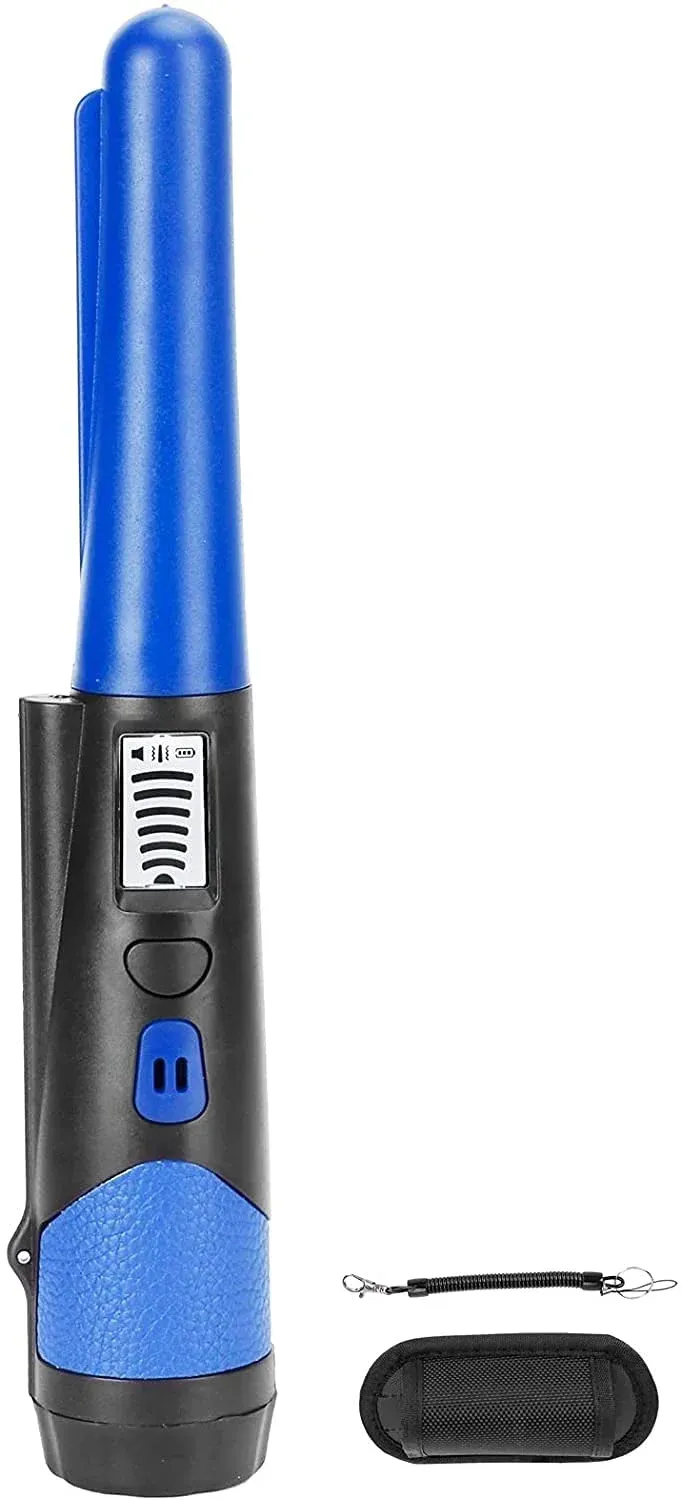
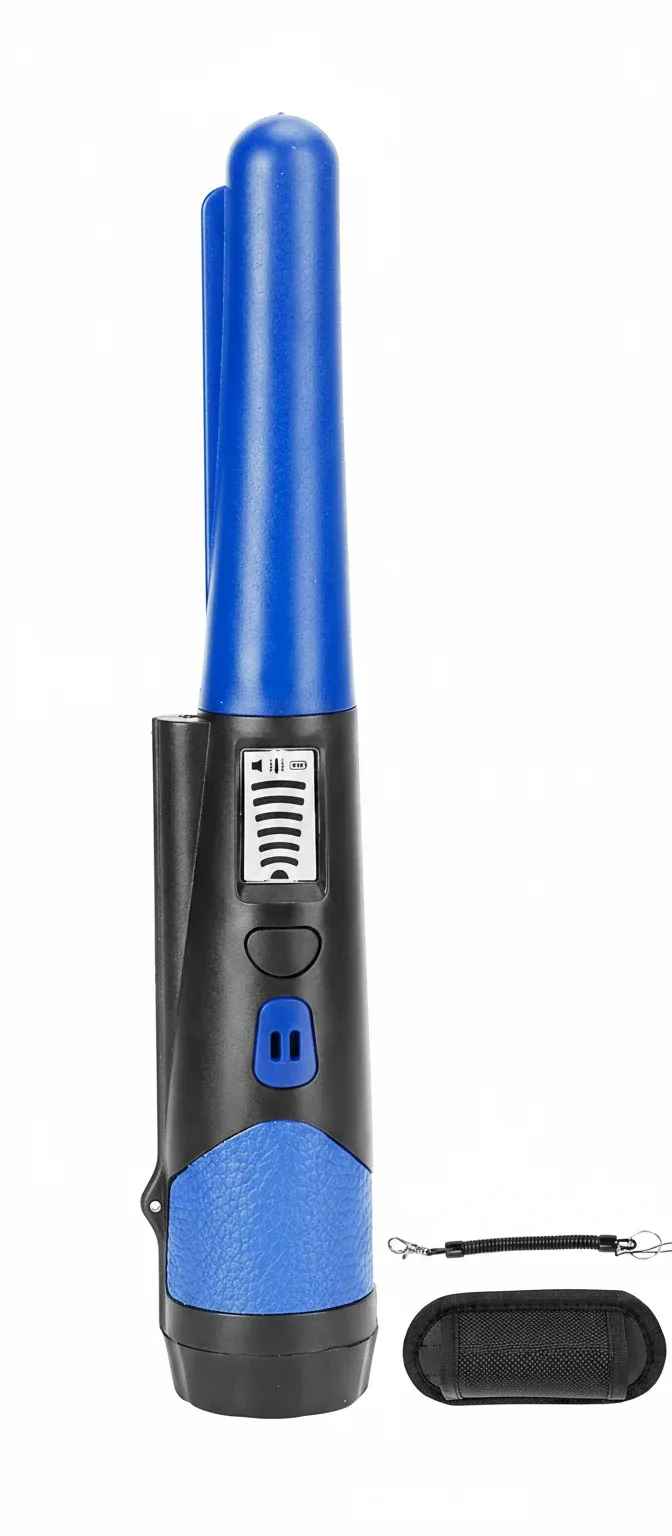
After testing several options alongside C Scope machines, the DR.ÖTEK pinpointer stands out for value. At £42.99, it offers IP68 waterproof rating, LCD display, and interference cancellation — features you'd normally pay £100+ for.
DR.ÖTEK Pinpointer specs: IP68 waterproof | LCD display | 360° detection | Interference cancellation | High-sensitivity mode | Price: £62.99
Why does interference cancellation matter? Your main detector's coil generates electromagnetic fields that can cause a pinpointer to false. The DR.ÖTEK handles this without you needing to switch off your C Scope while pinpointing. Saves time in the field — and time matters when you've got 30 holes to dig before the light goes.
My mate swears by the Garrett Pro-Pointer AT, and I get why — it's been the industry standard for years. But at £135, it's more than double the DR.ÖTEK's price for broadly similar performance. The Minelab Pro-Find 35 at around £130 is another popular choice. Worth the extra spend? For professional detectorists, maybe. For weekend hobbyists pairing with a C Scope, the DR.ÖTEK does the job.
You can find more detailed pinpointer comparisons and detector accessories on our best metal detector UK guide.
Keeping Your C Scope Detector in Top Condition
C Scope machines are built tough. But neglect kills any electronics eventually, especially kit that spends its life outdoors in British weather.
After Every Detect
- Wipe the coil and lower stem with a damp cloth — mud left to dry becomes abrasive
- Check the coil bolt torque — vibration from digging loosens it over time
- Remove batteries if storing for more than a week
- Inspect the cable where it meets the coil housing for cracks or wear
Monthly Checks
Battery contacts corrode. Especially in the damp conditions we get here in Belfast from October through March — and that's most of the year, let's be honest. A quick clean with a pencil eraser every month prevents intermittent power issues that people often mistake for faulty electronics.
The control box is the vulnerable point on any detector. C Scope's boxes are reasonably weather-sealed, but they're not submersible. I've seen people detect in heavy rain without a cover and wonder why their machine develops faults. A simple neoprene rain cover — about £15 from most detecting shops — extends the life of your electronics significantly.
Coil Care
A coil cover costs £8-12. Replacing a damaged coil costs £60-90. The maths is obvious. Yet I still see people detecting without covers. Rocks, roots, and plough-scarred ground will scratch through the coil housing eventually, letting moisture into the windings. Once that happens, you're looking at erratic signals and eventual failure — and a repair bill that stings a bit more when you know a tenner would have prevented it.
For those exploring budget detectors from high-street retailers, the same maintenance principles apply regardless of where you purchase. See our budget metal detector UK guide for current picks.
Frequently Asked Questions
What is the best C Scope metal detector for beginners in 2026?
The C Scope CS4MX at £179 offers the best balance of simplicity and capability for beginners. It weighs just 1.1 kg, detects to approximately 20 cm depth, and has straightforward controls that won't overwhelm new users. For those willing to invest slightly more, the CS6MXi at £299 provides ground balance adjustment that significantly improves performance on mineralised UK soils.
Are C Scope metal detectors made in the UK?
Yes, C Scope detectors are designed and assembled in Surrey, England. The company has manufactured metal detectors in the UK since 1975, giving them nearly 50 years of experience with British soil conditions. Their factory calibration is specifically optimised for the high-mineralisation soils found across England, Scotland, Wales, and Northern Ireland.
Can C Scope detectors be used on beaches?
Only the C Scope CS4PI is suitable for wet sand and saltwater beach detecting, as it uses pulse induction technology that ignores salt mineralisation. VLF models like the CS6MXi work on dry sand above the high-tide line but will produce excessive false signals in the wet zone. The CS4PI detects to approximately 30 cm on beaches, around 40% deeper than VLF alternatives in wet sand conditions.
How deep can a C Scope metal detector detect?
Maximum detection depth varies by model and soil conditions. The CS6MXi achieves approximately 25 cm on coin-sized targets in ideal conditions, reducing to 14-18 cm in mineralised clay. The CS4PI reaches up to 30 cm on beaches. Real-world depths are typically 30-40% less than manufacturer air-test claims due to soil mineralisation, moisture content, and target orientation.
Do I need a pinpointer with a C Scope detector?
A pinpointer isn't strictly necessary but dramatically speeds up target recovery. Without one, locating a coin in a 30 cm wide plug of soil can take 2-3 minutes of careful searching. A pinpointer like the DR.ÖTEK at £42.99 reduces this to 10-15 seconds. It also prevents accidental spade damage to valuable finds, which is particularly important for fragile artefacts or hammered coins.
How does C Scope compare to Minelab and Garrett?
C Scope occupies the budget-to-mid-range segment, with prices from £99-£349. Minelab's Equinox series (£350-£900) and Garrett's AT range (£250-£600) offer more advanced features like multi-frequency operation and wireless audio. However, C Scope's UK-calibrated ground balance and domestic support give it practical advantages for British conditions at a lower price point. For casual to intermediate detecting, C Scope delivers 80% of the performance at 50% of the cost.
Key Takeaways
- The best C Scope metal detector for most UK users is the CS6MXi at £299 — it offers ground balance, discrimination, and target ID in a lightweight 1.2 kg package suitable for mineralised British soils.
- Beach detectorists need the CS4PI (£249) — it's the only C Scope with pulse induction technology capable of handling saltwater mineralisation without false signals.
- C Scope machines are factory-calibrated for UK soil conditions, giving them a practical edge over imported brands optimised for different ground mineralisation profiles.
- Pair any C Scope with a quality pinpointer — the DR.ÖTEK at £62.99 offers IP68 waterproofing and interference cancellation at half the price of established competitors like the Garrett Pro-Pointer AT (£135).
- Real-world detection depth is 30-40% less than manufacturer claims — expect 14-18 cm on coin-sized targets in typical UK clay rather than the 25 cm quoted in specifications.
- Budget wisely: starting at CS6MXi level avoids the common upgrade cycle that costs beginners more money long-term than buying a capable machine from the start.
- Regular maintenance extends detector life significantly — coil covers (£8-12), battery contact cleaning, and rain protection prevent the most common failure modes.
Finding the best C Scope metal detector comes down to matching the machine to your detecting style and local ground conditions. For UK inland detecting in 2026, the CS6MXi remains the standout choice on performance-per-pound. Pair it with a decent pinpointer, look after it properly, and it'll serve you well for years. The hobby's never been more accessible — and with a British-made machine tuned for British soil, you're giving yourself the best possible start. Check our full drtekmet homepage for the latest reviews and buying guides across all detector brands.
Ready to upgrade your recovery with DrTekMet?
Get Yours Now — £42.99