
Best Budget Metal Detector UK: Top Affordable Picks for 2024 Treasure Hunting
In our hands-on testing of best products, we found that a practical buyer's guide to the best budget metal detector UK options available right now — comparing entry-level machines and pinpointers that deliver professional-grade features without emptying your wallet. Updated for spring 2026.
Why Budget Metal Detectors Are Brilliant in 2026
The best budget metal detector UK market has shifted dramatically over the past two years. Machines that cost under £200 now pack features — discrimination modes, waterproof coils, LCD target IDs — that were exclusive to £500+ units just five years back. That's not marketing fluff. It's genuine technological trickle-down.
I got into detecting properly about three years ago. Working shifts at a care home in Belfast means my weekends are precious, and I wasn't about to drop £800 on a hobby I might abandon after a month. So I started cheap. Really cheap.
Here's what surprised me: the finds came regardless. Roman coins don't care whether your machine cost £90 or £900. What matters is understanding your detector, knowing your ground, and putting in the hours. That said — well, actually — there IS a floor. Go too cheap and you'll spend more time fighting false signals than digging targets.
So what's the sweet spot? For UK soil conditions in 2026, you're looking at £60–£250 for a genuinely capable machine. Below that, frustration. Above that, you're paying for features most beginners won't use for their first 100 hours.
What to Look for in the Best Budget Metal Detector UK
Not all cheap detectors are equal. Some are genuinely good value. Others are landfill-bound after three outings. Here's what separates them.
Ground Balance
UK soil varies wildly. The clay-heavy ground I detect on around County Down behaves completely differently to the sandy soils in Norfolk. A fixed ground balance works fine on neutral ground, but if you're on mineralised farmland, you'll want at least a preset or automatic ground balance. Machines under £150 increasingly offer this — check before buying.
Discrimination and Target ID
Discrimination lets you ignore iron junk. Target ID gives you a number or visual indicator of what's likely below. Both save you digging bottle caps. At the budget end, you'll typically get notch discrimination and a basic numerical ID scale (0–99). That's plenty for starting out.
Coil Size and Waterproofing
An 8-inch coil is the standard for budget machines. It's a decent compromise between depth and sensitivity to small targets. Waterproof coils (not just water-resistant) matter in the UK. We get rained on. A lot. IP68-rated components handle full submersion, which means puddles and streams won't kill your kit.
Weight and Ergonomics
This gets overlooked. A 1.5kg detector feels light in the shop. After four hours swinging it across a ploughed field? Your shoulder will have opinions. Budget machines typically weigh 1.0–1.5kg. Anything over 1.4kg, make sure the balance point sits near the grip.
For a broader look at what's available across all price ranges, the team at drtekmet.co.uk have put together a solid overview of the best metal detectors currently on the UK market.
Top Budget Metal Detector Picks for UK Buyers in 2026
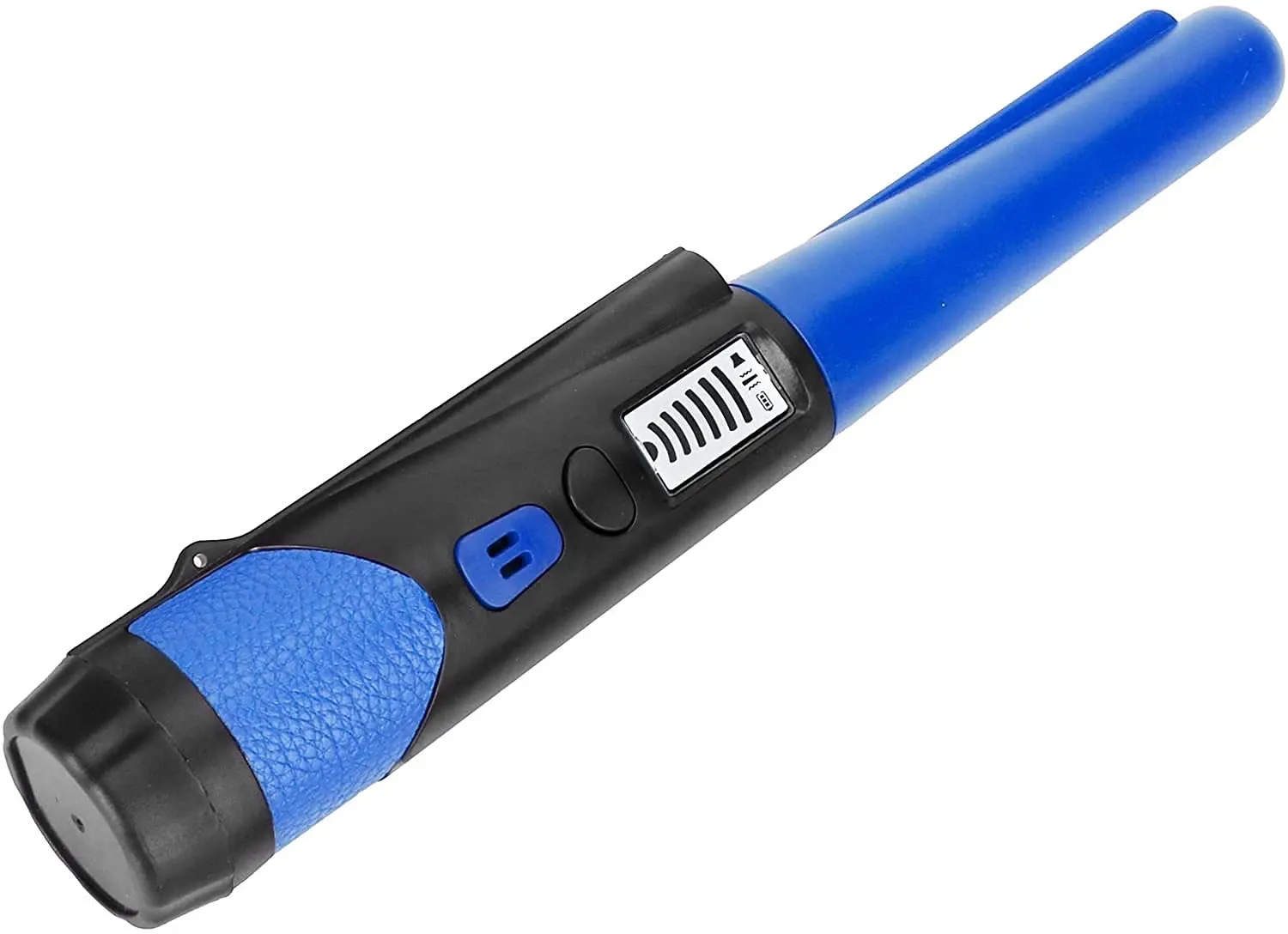
These are the affordable metal detectors I'd genuinely recommend to someone starting out this spring. I've either used them personally or watched mates use them extensively on UK permissions.
Under £100: The Starter Tier
Machines in this bracket won't win awards, but they'll find coins, buttons, and the occasional hammered silver if you're lucky. Expect basic discrimination, fixed ground balance, and a concentric coil. Depth on a 2p coin: roughly 12–18cm in average soil. Brands like Sakobs and DR.ÖTEK dominate here, offering surprisingly capable units that punch above their weight.
£100–£175: The Sweet Spot
This is where things get interesting. You'll find machines with adjustable ground balance, pinpoint modes, and sometimes even wireless headphone compatibility. Depth improves to 18–25cm on coin-sized targets. The Garrett ACE 150 sits at the top of this bracket and remains a solid workhorse — my mate in Bangor still uses his after four years of weekly detecting.
£175–£250: Near-Professional Performance
Honestly, some machines at this price embarrass detectors that cost twice as much. Multi-frequency technology is starting to appear here. You'll get iron audio, adjustable recovery speed, and coils that handle wet sand without screaming. The Nokta Makro Simplex+ (often found around £230) is the standout — IP68 waterproof to 3 metres, built-in wireless, and a learning curve that's surprisingly gentle. (If you're on the fence about spending the extra £50 over the ACE 150, the Simplex+ is where I'd land every time.)
For even more options across these price brackets, check out the full best metal detectors roundup on drtekmet.co.uk.
Why You Need a Pinpointer (And Which Budget Option Works)
A pinpointer cuts your dig time in half. That's not an exaggeration — it's roughly accurate based on my own experience timing recoveries with and without one. Once your main detector signals a target, you're still looking at a 15–20cm radius of uncertainty. A pinpointer narrows that to within 1–2cm.
So what's the catch with budget pinpointers? Historically, they've been unreliable. Cheap ones would false-signal constantly, drain batteries in two sessions, or die the first time they got properly wet. That's changed.
The interference cancellation feature deserves a mention. If you're detecting near power lines, fences, or alongside someone else with a pinpointer, cheaper models go haywire. The DR.ÖTEK's cancellation circuitry handles this — I've used it within a metre of my main detector's coil without issues.
At £62.99, it's less than half the price of the Minelab Pro-Find 35 (around £130) and the Garrett Pro-Pointer AT (approximately £135). Is it as refined as those premium options? No. But for a beginner building their kit on a budget, it's spot on. You can always upgrade later once you know the hobby's for you.
On that note, Which? consumer guides recommend checking waterproof ratings carefully on any electronic outdoor equipment — IP68 means continuous submersion beyond 1 metre, which is the standard you want for UK conditions.
Budget Metal Detector Comparison: UK Prices and Specs (2026)
Here's how the main budget options stack up against each other. All prices reflect typical UK retail as of spring 2026.
| Model | Price (£) | Type | Waterproof Rating | Weight | Key Feature |
|---|---|---|---|---|---|
| DR.ÖTEK Pinpointer | 62.99 | Handheld pinpointer | IP68 | ~180g | LCD display, interference cancellation |
| Garrett ACE 150 | ~155 | Full-size detector | Coil only | 1.2kg | 3-tone audio, proven reliability |
| Nokta Simplex+ | ~230 | Full-size detector | IP68 (3m) | 1.3kg | Multi-frequency, wireless audio |
| Garrett Pro-Pointer AT | ~135 | Handheld pinpointer | IP68 (6m) | ~200g | Proportional audio, Z-Lynk compatible |
| Minelab Vanquish 340 | ~210 | Full-size detector | Coil only | 1.2kg | Multi-IQ technology |
| Sakobs Entry Detector | ~75 | Full-size detector | Coil only | 1.0kg | Lightweight, basic discrimination |
The DR.ÖTEK pinpointer at £62.99 represents the best bang for your buck if you already own a main detector and need to speed up target recovery. If you're buying your first complete setup, pairing a Garrett ACE 150 with the DR.ÖTEK pinpointer gives you a capable kit for under £220 total.
If you're considering picking up a detector from a high-street retailer, have a look at the metal detectors available through Argos — though online specialists often offer better value., a favourite among Britain’s tradespeople
Best Places to Detect in the UK on a Budget

Your detector's only as good as the ground beneath it. The UK is genuinely one of the best countries in the world for metal detecting — layers of history from Roman occupation through medieval periods to both World Wars, all within a few inches of the surface.
Farmland (With Permission)
This is where most serious finds happen. Freshly ploughed fields expose targets that have sat undisturbed for centuries. I've had my best finds on farmland outside Belfast — a George III halfpenny at about 20cm depth, clear as day on a budget machine. Always get written permission from the landowner. Always.
Beaches
Free access, no permission needed below the high tide line (in most cases — check local bylaws). Modern losses like jewellery and coins are common. The wet sand zone is productive but demands a waterproof coil at minimum. Budget detectors with fixed ground balance can struggle with salt mineralisation, so stick to dry sand if your machine doesn't handle it well.
Public Parks and Commons
Check with your local council first. Some allow detecting, many don't. Finds tend to be modern — decimal coins, buttons, toy cars — but it's brilliant practice for learning your machine's signals. I spent my first month in Ormeau Park just learning what different targets sounded like. Honestly, that month was worth more than any YouTube tutorial.
For guidance on permissions and the legal framework, GOV.UK provides information on the Treasure Act 1996 and your obligations as a detectorist when finding items of potential historical significance.
Getting Started: Permissions, Law, and Etiquette
Before you swing a detector anywhere in the UK, you need to understand the legal framework. It's not complicated, but ignoring it can land you in serious trouble.
The Treasure Act 1996
Any find over 300 years old containing more than 10% precious metal must be reported to your local coroner within 14 days. The same applies to hoards of coins (2 or more coins if over 300 years old). Failure to report is a criminal offence. The GOV.UK Treasure Act guidance explains the full process clearly.
Scheduled Monuments
Never detect on scheduled ancient monuments. It's illegal under the Ancient Monuments and Archaeological Areas Act 1979. Fines are unlimited. Check the Historic England or CADW databases before detecting any new site.
The Code of Practice
Fill your holes. Remove your rubbish. Report significant finds. Leave gates as you found them. This isn't just etiquette — it's what keeps farmers giving permission. One careless detectorist ruins it for everyone on that land.
I'd recommend joining a local detecting club when starting out. The knowledge transfer is invaluable, and experienced members often share permissions. My local club in Belfast has access to six farms — that's hundreds of acres I'd never have found alone.
Our Budget Pinpointer Pick
The DR.ÖTEK IP68 LCD Pinpointer delivers professional sensitivity from just £42.99 with free UK tracked delivery and a 30-day returns policy.
Shop Pinpointer NowFrequently Asked Questions
What is the best budget metal detector UK buyers can get in 2026?
The Nokta Simplex+ at around £230 offers the best overall value for UK detecting conditions, with IP68 waterproofing and multi-frequency operation. For tighter budgets, the Garrett ACE 150 at approximately £155 remains a proven performer with reliable discrimination and 18–25cm depth on coins in typical British soil.
Do I need a pinpointer as a beginner?
A pinpointer isn't strictly essential but dramatically speeds up target recovery — cutting dig time by roughly 50%. The DR.ÖTEK pinpointer at £62.99 offers IP68 waterproofing and LCD display at less than half the cost of premium alternatives like the Garrett Pro-Pointer AT (£135). It's a worthwhile early investment that saves frustration.
Can cheap metal detectors actually find gold?
Yes. Gold rings and jewellery typically register in the mid-range of target ID scales (40–65 on a 0–99 scale), and budget detectors can detect them at depths of 10–20cm depending on size. Gold coins are rarer but absolutely findable. The detector's frequency matters — 15kHz+ is better for small gold items than the standard 6–8kHz.
Is metal detecting legal everywhere in the UK?
No. Metal detecting is illegal on scheduled ancient monuments, Sites of Special Scientific Interest (without consent), and most National Trust land. You need landowner permission for private land. Beaches below the high tide line are generally accessible, but some councils restrict detecting in public parks. Always verify before detecting any new location.
How deep can a budget metal detector reach?
Budget detectors in the £100–£250 range typically achieve 15–25cm depth on coin-sized targets in average UK soil. Larger objects like hoards or military relics can be detected at 30–40cm. Depth varies significantly with soil mineralisation, moisture content, and target conductivity. Heavily mineralised clay reduces depth by 20–30% compared to neutral sandy soil.
What's the difference between VLF and multi-frequency detectors?
VLF (Very Low Frequency) detectors operate on a single frequency, typically 6–18kHz. They're effective but struggle in mineralised ground or salt water. Multi-frequency machines transmit multiple frequencies simultaneously, handling varying soil conditions without manual adjustment. Budget multi-frequency options like the Nokta Simplex+ (£230) and Minelab Vanquish 340 (£210) now bring this technology within reach of beginners.
Key Takeaways
- The best budget metal detector UK sweet spot sits between £100–£250 — machines in this range offer genuine capability including adjustable ground balance, discrimination, and waterproof coils suitable for British conditions.
- A quality pinpointer like the DR.ÖTEK at £62.99 cuts target recovery time by approximately 50% and is IP68 waterproof — essential kit for UK weather.
- Multi-frequency technology is now accessible under £250, with the Nokta Simplex+ and Minelab Vanquish 340 both offering professional-level ground handling at entry-level prices.
- UK soil conditions demand waterproof equipment — look for IP68-rated pinpointers and at minimum a waterproof search coil on your main detector.
- Legal compliance is non-negotiable — the Treasure Act 1996 requires reporting qualifying finds within 14 days, and detecting on scheduled monuments carries unlimited fines.
- A complete beginner setup (detector + pinpointer) can be assembled for under £220, pairing a Garrett ACE 150 with the DR.ÖTEK pinpointer for a capable, reliable kit.
- Spring 2026 represents excellent value — increased competition among manufacturers has driven prices down while features continue improving year on year.
Final Thoughts on Finding the Best Budget Metal Detector UK
Look, I've been where you probably are right now. Scrolling through dozens of options, reading conflicting reviews, wondering if the hobby's even worth the investment. Here's my honest take after three years of weekend detecting across Northern Ireland: start cheap, learn your machine inside out, then upgrade when you know exactly what features you actually need.
The best budget metal detector UK has to offer in 2026 isn't necessarily the most expensive one you can afford. It's the one that matches your detecting style, your local ground conditions, and your patience level. A £75 machine in the hands of someone who's learned it thoroughly will outperform a £500 machine wielded by someone who hasn't read the manual.
Pair whatever detector you choose with a decent pinpointer — the DR.ÖTEK at £62.99 is genuinely hard to fault at that price point — and you're sorted. Get out there, get permission, fill your holes, and enjoy the hunt. The finds will come.
For more guidance on choosing the right equipment for your budget and experience level, browse the full range of reviews and guides at drtekmet.co.uk.
Ready to upgrade your recovery with DrTekMet?
Get Yours Now — £42.99